Option Strategies

Explore our library of 26 popular options strategies and find the one that fits your market outlook.
Thank you! Your submission has been received!
Oops! Something went wrong while submitting the form.
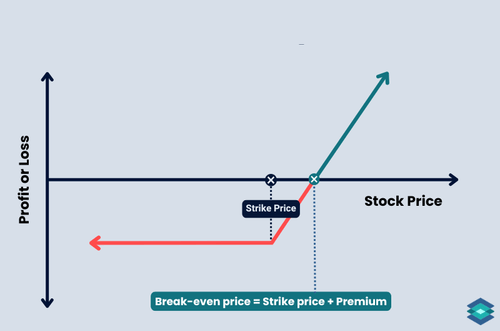
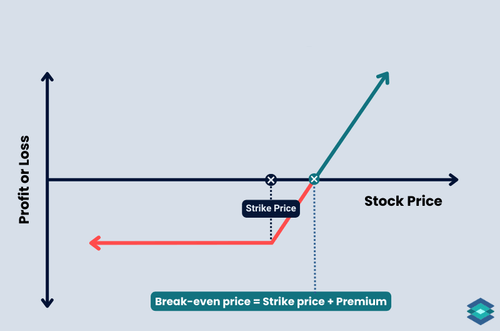
Long call example

Long Call

Bullish · Defined Risk · Debit Trade
Bullish
Payoff Profile
Max Profit
Unlimited
Max Loss
Debit Paid
Breakeven
Long strike + debit
Trade Profile
Forecast
Extremely Bullish
Time Decay
Unfavorable
Entry Cost
Debit Paid
Risk Profile
High
Profit Probability
Low
Long Call In-Depth
Long Call In-Depth
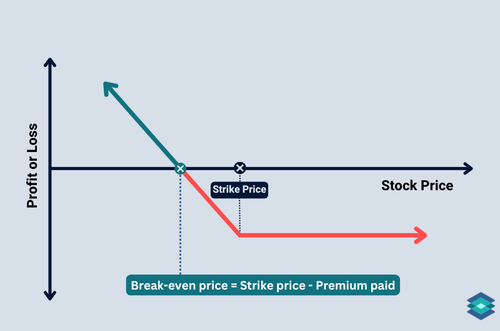
long put option

Long Put

Bearish • Defined Risk • Debit Trade
Bearish
Payoff Profile
Max Profit
Substantial
Max Loss
Debit paid
Breakeven
Long strike - debit
Trade Profile
Forecast
Extremely bearish
Time Decay
Unfavorable
Entry Cost
Debit paid
Risk Profile
High
Profit Probability
Low
Long Put In-Depth
Long Put In-Depth
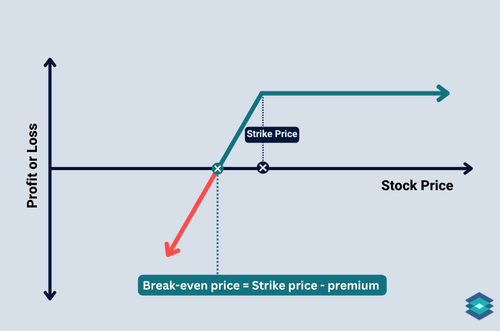
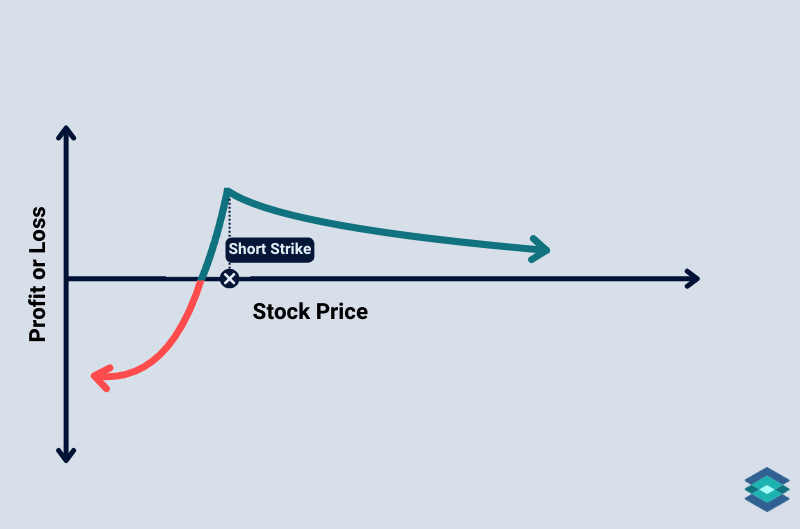
short put payoff diagram

Short Put

Bullish • High Risk • Credit Trade
Bullish
Payoff Profile
Max Profit
Premium
Max Loss
Substantial
Breakeven
Short strike - premium
Trade Profile
Forecast
Neutral to bullish
Time Decay
Favorable
Entry Cost
High margin
Risk Profile
Very High
Profit Probability
High
Short Put In-Depth
Short Put In-Depth
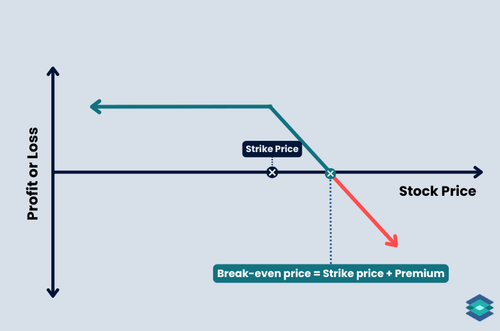
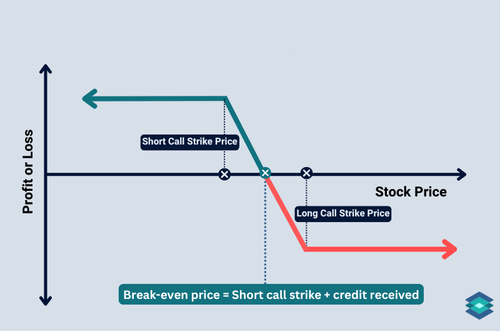
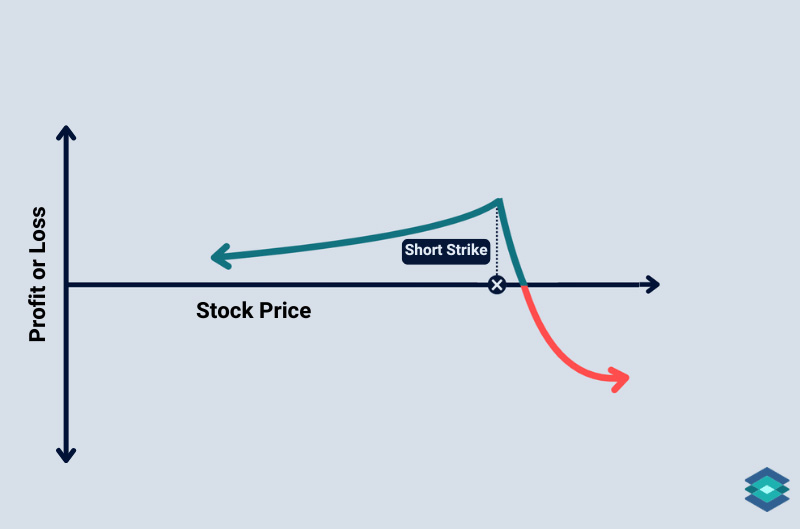
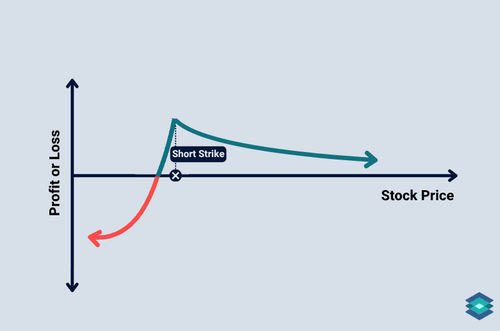
naked uncovered call option

Short Call

Bearish • Unlimited Risk • Credit Trade
Bearish
Payoff Profile
Max Profit
Premium
Max Loss
Unlimited
Breakeven
Short strike + premium
Trade Profile
Forecast
Neutral to bearish
Time Decay
Favorable
Entry Cost
High margin
Risk Profile
Very High
Profit Probability
High
Short Call In-Depth
Short Call In-Depth
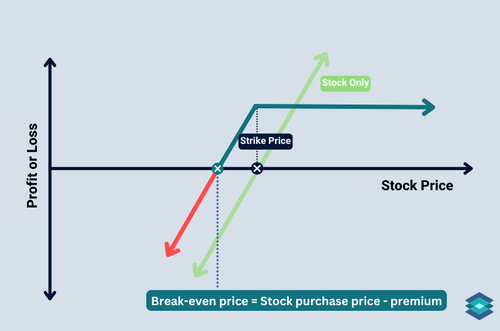
Covered call chart

Covered Call

Neutral to Bullish • Moderate Risk
Bullish
Payoff Profile
Max Profit
Premium + stock gain to strike
Max Loss
Stock price - premium
Breakeven
Stock price - premium
Trade Profile
Forecast
Neutral to Bullish
Time Decay
Favorable
Entry Cost
Stock price - premium
Risk Profile
Moderate
Profit Probability
Medium - High
Covered Call In-Depth
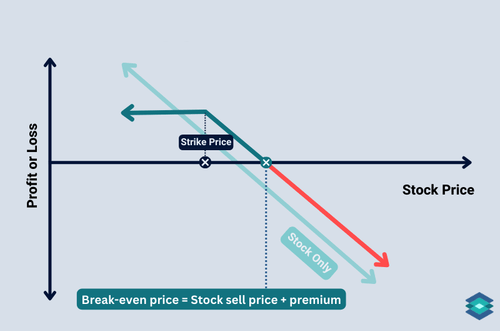
Covered put payoff

Covered Put

Neutral to Bearish • Unlimited Risk
Bearish
Payoff Profile
Max Profit
Premium + stock gain to strike
Max Loss
Unlimited
Breakeven
Stock entry + premium
Trade Profile
Forecast
Moderately Bearish
Time Decay
Favorable
Entry Cost
Stock price - premium
Risk Profile
High
Profit Probability
Medium
Covered Put In-Depth
bull call spread chart

Bull Call Spread

Bullish • Defined Risk • Debit Trade
Bullish
Payoff Profile
Max Profit
Strike width - debit
Max Loss
Debit Paid
Breakeven
Long strike + debit
Trade Profile
Forecast
Moderately Bullish
Time Decay
Unfavorable
Entry Cost
Debit Paid
Risk Profile
Moderate
Profit Probability
Medium
Bull Call Spread In-Depth
bear put spread payoff

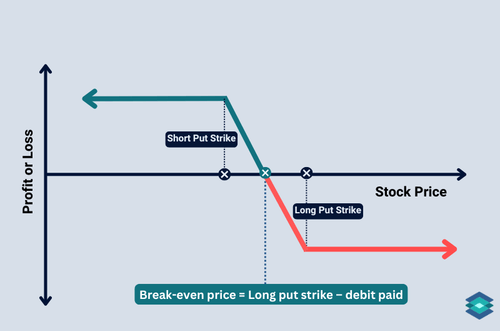
Bear Put Spread

Bearish • Defined Risk • Debit Trade
Bearish
Payoff Profile
Max Profit
Strike width - debit
Max Loss
Debit Paid
Breakeven
Long strike - debit
Trade Profile
Forecast
Moderately Bearish
Time Decay
Unfavorable
Entry Cost
Debit Paid
Risk Profile
Moderate
Profit Probability
Medium
Bear Put Spread In-Depth
short put spread chart

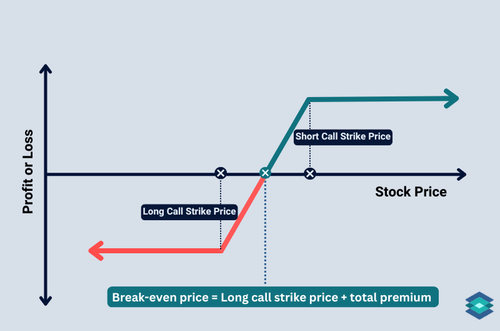
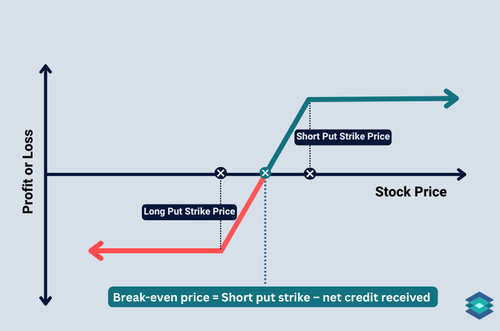
Bull Put Spread

Bullish • Defined Risk • Credit Trade
Bullish
Payoff Profile
Max Profit
Credit received
Max Loss
Strike width - credit
Breakeven
Short strike - credit
Trade Profile
Forecast
Moderately bullish
Time Decay
Favorable
Entry Cost
Strike width - credit
Risk Profile
Moderate
Profit Probability
Medium - High
Bull Put Spread In-Depth
Bear call spread chart

Bear Call Spread

Bearish • Defined Risk • Credit Trade
Bearish
Payoff Profile
Max Profit
Credit received
Max Loss
Strike width - credit
Breakeven
Short strike + credit
Trade Profile
Forecast
Moderately Bearish
Time Decay
Favorable
Entry Cost
Strike width - credit
Risk Profile
Moderate
Profit Probability
Medium - High
Bear Call Spread In-Depth
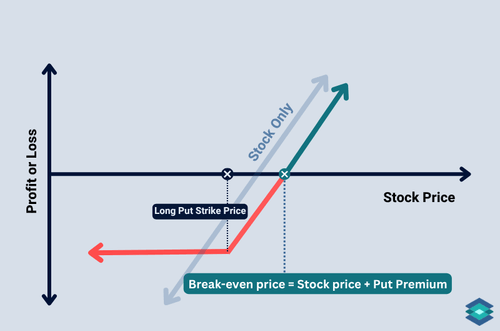
protective put strategy

Protective Put

Bullish • Defined Risk
Hedging
Payoff Profile
Max Profit
Unlimited
Max Loss
(Stock - put strike) + premium
Breakeven
Stock price + premium paid
Trade Profile
Forecast
Bullish
Time Decay
Unfavorable
Entry Cost
Stock cost + premium paid
Risk Profile
Low - Moderate
Profit Probability
Medium
Protective Put In-Depth
Option Collar payoff

Collar

Neutral to Bullish • Defined Risk • Credit/Debit Trade
Hedging
Payoff Profile
Max Profit
Call strike - stock ± premium
Max Loss
Stock - put strike ± premium
Breakeven
Stock cost ± premium
Trade Profile
Forecast
Neutral/Bullish
Time Decay
Slightly favorable
Entry Cost
Stock cost ± premium
Risk Profile
Low - Moderate
Profit Probability
Medium - High
Collar In-Depth
Collar In-Depth
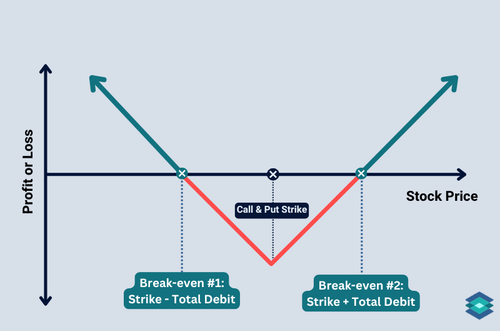
long straddle options strategy

Long Straddle

Neutral • Defined Risk • Debit Trade
Long Volatility
Payoff Profile
Max Profit
Unlimited
Max Loss
Debit Paid
Breakeven
1. Strike - debit 2. Strike + debit
Trade Profile
Forecast
Volatile
Time Decay
Unfavorable
Entry Cost
Debit Paid
Risk Profile
High
Profit Probability
Medium - Low
Long Straddle In-Depth
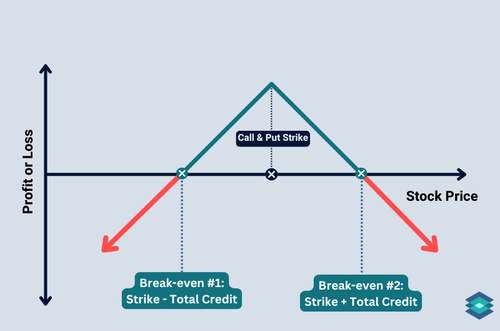
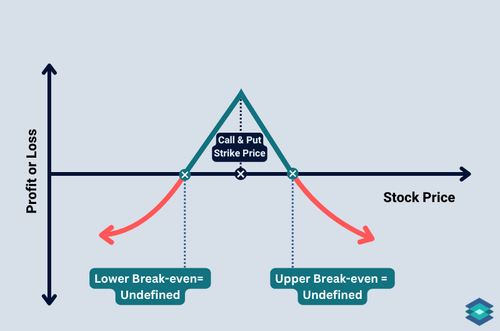
short straddle payoff chart

Short Straddle

Neutral • Unlimited Risk • Credit Trade
Neutral
Payoff Profile
Max Profit
Credit received
Max Loss
Unlimited
Breakeven
1. Strike + credit 2. Strike = credit
Trade Profile
Forecast
Neutral
Time Decay
Favorable
Entry Cost
High margin
Risk Profile
Very High
Profit Probability
High
Short Straddle In-Depth
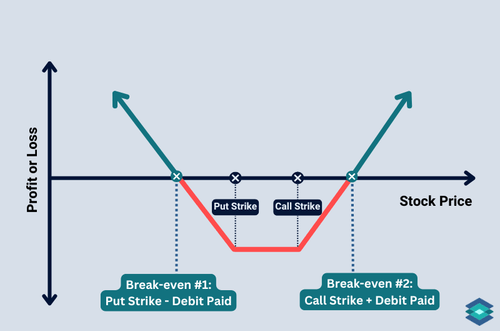
strangle chart options trade

Long Strangle

Volatile • Defined Risk • Debit Trade
Long Volatility
Payoff Profile
Max Profit
Unlimited
Max Loss
Debit paid
Breakeven
1. Upper strike + debit 2. Lower strike - debit
Trade Profile
Forecast
Volatile
Time Decay
Unfavorable
Entry Cost
Debit Paid
Risk Profile
High
Profit Probability
Medium - Low
Long Strangle In-Depth
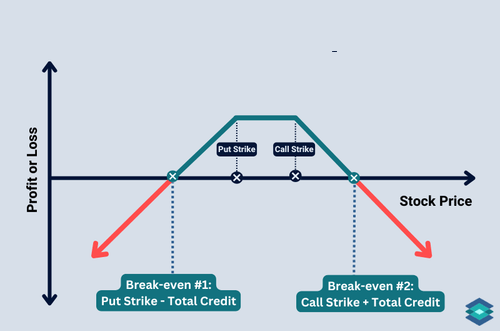
short strangle payoff chart

Short Strangle

Neutral • Unlimited Risk • Credit Trade
Neutral
Payoff Profile
Max Profit
Credit received
Max Loss
Unlimited
Breakeven
1. Upper strike + credit. 2. Lower strike - credit
Trade Profile
Forecast
Neutral
Time Decay
Favorable
Entry Cost
High margin
Risk Profile
Very High
Profit Probability
High
Short Strangle In-Depth
iron butterfly payoff chart

Iron Butterfly

Neutral • Defined Risk • Credit Trade
Neutral
Payoff Profile
Max Profit
Credit received
Max Loss
Wing width - credit
Breakeven
1. Short strike - credit 2. Short strike + credit
Trade Profile
Forecast
Neutral
Time Decay
Favorable
Entry Cost
Wing width - credit
Risk Profile
Moderate
Profit Probability
Medium - High
Iron Butterfly In-Depth
butterfly options strategy payoff

Butterfly

Neutral • Defined Risk • Debit Trade
Neutral
Payoff Profile
Max Profit
Spread width -debit
Max Loss
Debit paid
Breakeven
1. Lower strike + debit 2. Upper strike - debit
Trade Profile
Forecast
Neutral
Time Decay
Favorable
Entry Cost
Debit paid
Risk Profile
Moderate
Profit Probability
Medium
Butterfly In-Depth
Butterfly In-Depth
iron condor payoff profile

Short Iron Condor

Neutral • Defined Risk • Credit Trade
Neutral
Payoff Profile
Max Profit
Credit received
Max Loss
Strike width - credit
Breakeven
1. Short call strike + credit 2. Short put strike - credit
Trade Profile
Forecast
Neutral
Time Decay
Favorable
Entry Cost
Strike width - credit
Risk Profile
Moderate
Profit Probability
Medium - High
Short Iron Condor In-Depth
long iron condor options trade

Long Iron Condor

Volatile • Defined Risk • Debit Trade
Long Volatility
Payoff Profile
Max Profit
Strike width - debit
Max Loss
Debit paid
Breakeven
Long call strike + debit Long put strike - debit
Trade Profile
Forecast
Volatile
Time Decay
Unfavorable
Entry Cost
Debit paid
Risk Profile
Moderate - High
Profit Probability
Medium - Low
Long Iron Condor In-Depth
calendar option spread chart

Calendar Spread

Neutral • Defined Risk • Debit Trade
Neutral
Payoff Profile
Max Profit
Undefined
Max Loss
Debit paid
Breakeven
Not fixed
Trade Profile
Forecast
Neutral
Time Decay
Favorable
Entry Cost
Debit paid
Risk Profile
Moderate
Profit Probability
Medium - High
Calendar In-Depth
Calendar In-Depth
Call and put diagonal spread

Call Diagonal Spread

Neutral to Bullish • Defined Risk • Debit Trade
Bullish
Payoff Profile
Max Profit
Undefined
Max Loss
Debit paid
Breakeven
Not fixed
Trade Profile
Forecast
Moderately Bullish
Time Decay
Favorable
Entry Cost
Debit paid
Risk Profile
Moderate
Profit Probability
Medium
Diagonal In-Depth
Diagonal In-Depth
Call and put diagonal spread

Put Diagonal Spread

Neutral to Bearish • Defined Risk • Debit Trade
Bearish
Payoff Profile
Max Profit
Undefined
Max Loss
Debit paid
Breakeven
Not fixed
Trade Profile
Forecast
Moderately bearish
Time Decay
Favorable
Entry Cost
Debit paid
Risk Profile
Moderate
Profit Probability
Medium
Diagonal In-Depth
Diagonal In-Depth
LEAPS options comparison

LEAPS Call

Bullish • Defined Risk • Debit Trade
Bullish
Payoff Profile
Max Profit
Unlimited
Max Loss
Debit paid
Breakeven
Strike + debit
Trade Profile
Forecast
Bullish
Time Decay
Unfavorable
Entry Cost
Debit paid
Risk Profile
Moderate - High
Profit Probability
Medium - Low
LEAPS In-Depth
LEAPS In-Depth
LEAPS options comparison

LEAPS Put

Bearish • Defined Risk • Debit Trade
Bearish
Payoff Profile
Max Profit
Substantial
Max Loss
Debit paid
Breakeven
Strike - debit
Trade Profile
Forecast
Bearish
Time Decay
Unfavorable
Entry Cost
Debit paid
Risk Profile
Moderate - High
Profit Probability
Medium - Low
LEAPS In-Depth
LEAPS In-Depth
poor man's covered call payoff chart

Poor Man's Covered Call

Bullish • Defined Risk • Debit Trade
Bullish
Payoff Profile
Max Profit
Undefined
Max Loss
Debit paid
Breakeven
Undefined
Trade Profile
Forecast
Bullish / neutral
Time Decay
Favorable
Entry Cost
Debit paid
Risk Profile
Moderate
Profit Probability
Medium
PMCC In-Depth
PMCC In-Depth

What Are Option Strategies?

Option strategies are structured ways of trading options, alone or in combination, to match a specific market opinion.

An option is a contract that gives the option holder the right, but not the obligation, to buy or sell an underlying asset at a specified price on or before a set expiration date. The underlying asset can be a stock, one of many exchange traded funds, or an index. Every strategy above is built from that same contract. Here is how the pieces work.

Options Trading Basics: Calls and Puts

There are only two types of options. Everything else is a combination.

The Call Option

A call option gives the buyer the right to purchase the underlying stock at a fixed price, called the strike price, before the option expires. The call buyer pays a premium for that right. All else being equal, a call gains value as the stock price rises, provided the move comes fast enough to outrun time decay. And when the stock trades above the strike, the call is in the money, meaning the option holder could buy shares below the prevailing market price. If the stock price falls or sits still, the call contract loses value as time passes, and it can expire worthless.

The Put Option

A put option is the mirror image. It gives the holder the right to sell the underlying security at the strike price. All else being equal, a put gains value when the stock price falls and loses value when the stock price increases. But all else is rarely equal. Time decay and implied volatility move the option price too, and a slow drift lower can still leave a put buyer underwater. Traders buy puts to profit from downside price movements or to protect stock they already own.

You can be a buyer or a seller of either one. Buying an option means paying a premium for rights. Selling options means collecting premium in exchange for taking on obligations, and it carries its own risks, which I cover in detail in my guide to selling naked calls and puts. That opening transaction, buy or sell, defines your risk before anything else does.

How Options Are Priced: Premium, Intrinsic Value, and Time Value

The option price, called the premium, has two parts.

Intrinsic value is what the option is worth if exercised right now. For a call, it is the current market price of the stock minus the strike price. For a put, it is the strike price minus the current price. If that math produces a negative number, intrinsic value is zero.

Time value is everything above intrinsic value. It reflects how much time remains until the expiration date, how volatile the underlying stock is, and current market conditions. Volatility is the piece most traders underestimate, and it comes in more than one flavor. I break down the differences in implied vs realized vs historical volatility. Time value melts away every day the option exists, which is exactly why so many options expire worthless. As a broker I watched thousands of traders pay too much premium for too little time, and it is still the most common mistake in the options market. At the extreme end of the time spectrum are 0DTE options, contracts that expire the same day you trade them, where time decay happens in hours instead of weeks.

Your breakeven always includes the price paid. A call needs the stock above the strike plus the premium paid. A put needs the stock below the strike minus the premium. If the option expires worthless, that premium is the maximum loss for the buyer and the maximum profit for the seller who collected it. If you want to see these numbers before you trade, run the position through our free option calculators.

Key Terms Every Options Trader Should Know

Learn these key terms cold before you place a trade. They show up in every strategy guide above.

TermWhat It Means
Strike priceThe specific price where the option can be exercised. Also called the exercise price.
PremiumThe price paid by the buyer and the premium received by the seller.
Expiration dateThe last day the options contract exists.
ExerciseWhen the buyer exercises the right to buy or sell the underlying instrument.
AssignmentThe seller's obligation to deliver when the buyer exercises.
Cost basisYour effective purchase price on shares after option premium is factored in.
Short positionAn options position opened by selling a contract you did not already own.
The GreeksDelta, gamma, theta, and vega. The numbers that measure how an option price moves. Full breakdown on our Option Greeks page.

Swipe to see more →
Leaving?

You are about to leave tradingblock.com and visit youtube.com/@TradingBlockTV/Videos. Continue?

close